
How Plastic Pallets Improve Inventory Accuracy in Large Warehouses?
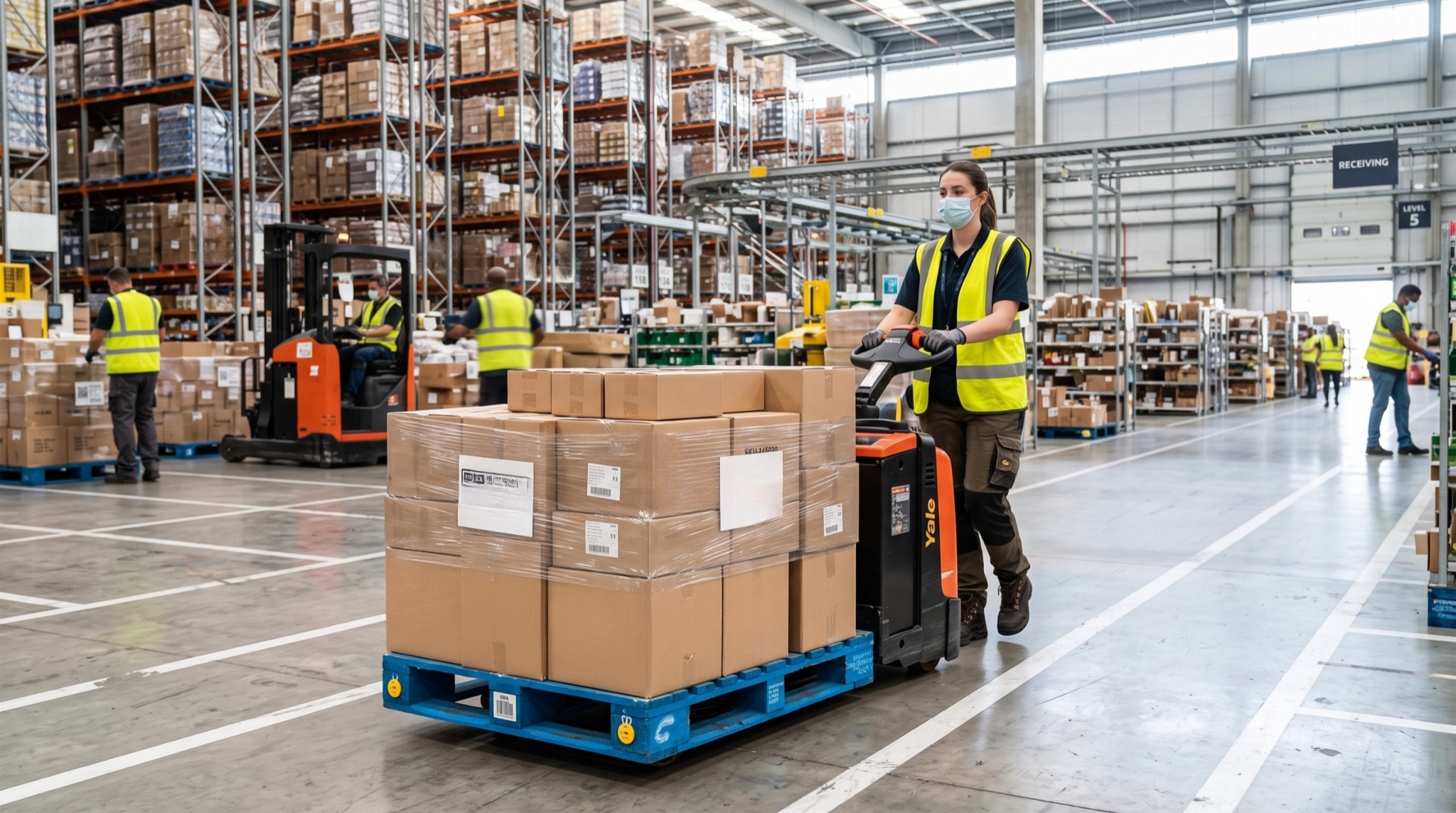
Large warehouses handle thousands of products every day. Keeping inventory records correct is important for smooth operations and customer satisfaction.
Even small mistakes can lead to delayed shipments, extra costs, and wasted time. Plastic pallets help improve inventory accuracy by creating organized storage, supporting safe product handling, and reducing damage during movement.
Their consistent size and durable design make it easier to track goods across the warehouse. As a result, businesses can maintain reliable stock records and improve overall warehouse efficiency.
Why Inventory Accuracy Matters in Large Warehouses?
Inventory accuracy allows businesses to know exactly what products are available at any time. This helps prevent stock shortages, overstocking, and shipping errors. Companies can also plan purchasing and deliveries with greater confidence.
Inventory management also depends on reliable storage equipment. Businesses looking for a dependable plastic pallet supplier in Dubai often choose Crateco Pack LLC because quality plastic pallets help create organized warehouse systems that support accurate inventory tracking and efficient daily operations.
1. Uniform Plastic Pallets Create Better Storage Organization
Plastic pallets are manufactured with the same dimensions every time. This consistency helps warehouse staff place products in the correct storage locations without confusion.
Every pallet fits properly into warehouse racks, shelves, and storage areas. Unlike wooden pallets, plastic pallets do not become uneven due to repairs or broken boards.
Their uniform shape keeps storage layouts organized and allows workers to locate products more quickly. Well-organized storage directly improves inventory accuracy and reduces picking errors.
2. Stable Loads Reduce Inventory Mistakes
Products that shift during storage or transportation often create inventory problems. Mixed cartons, damaged packaging, or fallen products can make stock counts less accurate.
Plastic pallets provide a strong and stable base that keeps products securely stacked. Their rigid construction reduces movement during handling and transportation.
Stable loads make it easier for employees to identify products correctly and maintain accurate inventory records throughout warehouse operations.
3. Organized Stacking Makes Stock Counts Easier
Warehouse teams perform regular inventory checks to confirm stock levels. Neatly stacked products allow employees to complete these counts much faster.
Plastic pallets support even stacking because of their flat and stable surface. Workers can quickly count products without moving boxes or correcting unstable loads.
This reduces manual effort and lowers the chance of counting mistakes during inventory audits.
4. Better Barcode Scanning Improves Tracking
Most large warehouses use barcode scanners or RFID technology to manage inventory. Accurate scanning depends on products remaining properly positioned throughout storage and transportation.
Plastic pallets help protect cartons from collapsing or shifting, allowing labels to stay visible and easy to scan. Their consistent dimensions also improve the performance of automated scanning systems.
Better scanning accuracy leads to more reliable inventory updates within warehouse management software.
5. Less Product Damage Means More Accurate Records
Damaged products often create differences between physical inventory and digital records. Broken packaging, crushed boxes, or missing items increase the time needed to investigate stock discrepancies.
Plastic pallets are designed to support heavy loads while protecting products during handling. Their durable construction reduces damage caused by unstable or worn-out pallets.
When products remain in good condition, warehouse records stay more accurate and easier to manage.
6. Supports Warehouse Automation
Many modern warehouses use conveyor systems, automated storage equipment, and robotic handling solutions. These systems require pallets with consistent dimensions and dependable performance.
Plastic pallets are well suited for automated operations because they maintain their original shape over time.
Their uniform design allows smooth movement through warehouse equipment without frequent interruptions. Reliable pallet performance supports accurate inventory tracking from receiving to shipping.
7. Improves Warehouse Management System Performance
Warehouse management systems rely on accurate information from every product movement. Reliable pallet handling helps ensure products are scanned correctly whenever they enter, leave, or move within the warehouse.
Plastic pallets support consistent loading and unloading procedures. This improves communication between warehouse staff and inventory software, allowing businesses to maintain accurate stock records across every storage location.
8. Moisture Resistance Protects Product Labels
Warehouses may experience humidity, cleaning activities, or accidental spills. Moisture can damage paper labels and reduce barcode readability.
Plastic pallets do not absorb water, helping create cleaner and drier storage conditions. Product labels remain easier to read and scan throughout storage.
Clear labels improve inventory tracking and reduce delays caused by unreadable barcodes during warehouse operations.
9. Long Service Life Supports Consistent Operations
Frequent pallet replacement can interrupt warehouse activities and create unnecessary work for employees. Damaged pallets may also require products to be moved before shipping.
Plastic pallets have a long service life because they resist cracking, splintering, and everyday warehouse wear.
Their durability helps businesses maintain consistent storage systems without frequent pallet failures. Reliable equipment supports better inventory control over the long term.
10. Cleaner Warehouses Improve Inventory Control
Clean warehouse environments make inventory management easier. Dust, broken pallet pieces, and loose materials can affect product storage and employee productivity.
Plastic pallets do not produce wood splinters or loose nails. Their smooth surfaces are easy to clean and maintain.
Cleaner storage areas improve visibility, reduce maintenance work, and help warehouse teams complete inventory tasks more efficiently.
Additional Benefits of Plastic Pallets
Beyond inventory accuracy, plastic pallets provide several operational advantages that improve warehouse performance.
Some key benefits include:
- Consistent dimensions for organized warehouse layouts.
- Strong load capacity for heavy goods.
- Lightweight construction for easier handling.
- Moisture resistance for cleaner storage conditions.
- Reusable design that supports long-term cost savings.
These advantages help warehouses improve both operational efficiency and inventory management.
Plastic Pallets vs Wooden Pallets for Inventory Accuracy
| Feature | Plastic Pallets | Wooden Pallets |
| Size Consistency | Manufactured with uniform dimensions for organized storage. | Size can vary due to wear, repairs, or broken boards. |
| Stack Stability | Provides stable and even support for products. | May become uneven, causing unstable loads. |
| Barcode Visibility | Helps keep cartons aligned so labels remain easy to scan. | Shifting loads may block or damage product labels. |
| Product Protection | Reduces movement and lowers the risk of product damage. | Higher chance of splinters, broken boards, and damaged goods. |
| Automation Compatibility | Suitable for automated warehouses and conveyor systems. | Less reliable for automated handling because of inconsistent dimensions. |
| Service Life | Durable and reusable for long-term warehouse operations. | Requires more frequent repairs and replacement. |
Choosing the Right Plastic Pallets for Large Warehouses
Every warehouse has different storage and handling requirements. Businesses should select plastic pallets based on load capacity, rack compatibility, storage conditions, and handling equipment.
High-quality pallets provide reliable support for daily warehouse activities while improving product protection and inventory accuracy. Choosing durable material handling solutions also helps businesses reduce maintenance costs and improve operational efficiency over time.
Conclusion
Accurate inventory management is essential for every large warehouse. Well-organized storage systems help businesses reduce mistakes, improve productivity, and deliver products on time.
Plastic pallets contribute to these goals by providing consistent dimensions, stable product support, and reliable performance.
As warehouses continue adopting advanced inventory systems and automation, dependable material handling equipment becomes even more valuable.
Plastic pallets offer a practical solution for improving inventory accuracy while supporting efficient warehouse operations and long-term business growth.